If you’ve ever felt your anxiety spike seemingly out of nowhere, such as before your period, after childbirth, or during major life transitions, you’re not just imagining it. Women’s hormones play a powerful role in emotional regulation, stress response, and mental health.
Anxiety isn’t just in your head; it’s deeply connected to what’s happening in your body. Taking the time to better understand how hormones influence anxiety can bring relief, validation, and clarity, and this understanding can help you find the right kind of support.
What’s the Connection Between Hormones and the Nervous System?
Hormones act as chemical messengers that affect nearly every system in the body, including the brain and nervous system. Estrogen, progesterone, cortisol, and thyroid hormones all influence mood, sleep, energy, and emotional regulation. When these hormones fluctuate, as they naturally do for women, the nervous system can become more sensitive to stress. This can show up as racing thoughts, irritability, panic symptoms, restlessness, or feeling emotionally overwhelmed without a clear reason.
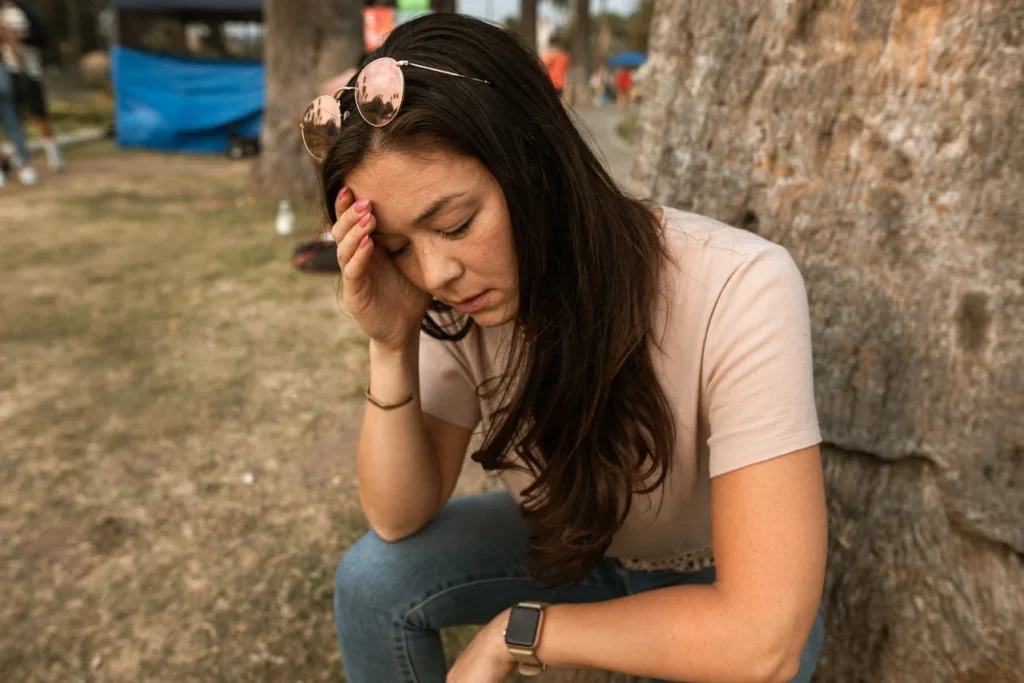
The Menstrual Cycle and Anxiety
Many women notice increased anxiety at specific points in their cycle, especially in the luteal phase, or the week or two before menstruation occurs. During this time, estrogen drops and progesterone rises, which can affect serotonin, or the brain chemical linked to mood stability.
For some, this looks like mild worry or irritability. For others, it can feel intense and debilitating, as seen in conditions like PMS or PMDD (premenstrual dysphoric disorder). These symptoms are real, biological, and treatable, not a sign of emotional weakness.
Pregnancy and Postpartum Hormonal Shifts
Pregnancy involves massive hormonal changes, particularly an increase in estrogen and progesterone. While some women feel emotionally balanced during pregnancy, others experience heightened anxiety, intrusive thoughts, or panic, especially if they have a history of anxiety.
After childbirth, hormone levels drop rapidly. This sudden shift, combined with sleep deprivation and life changes, can significantly impact mental health. Postpartum anxiety is common and often overlooked, sometimes mistaken for normal new mom stress. If anxiety feels constant, intrusive, or overwhelming during or after pregnancy, it deserves attention and care.
Commonly Missed Triggers of Perimenopause and Menopause
Perimenopause, the transition leading up to menopause, can begin years earlier than many women expect. Estrogen fluctuations during this time can cause anxiety, mood swings, insomnia, heart palpitations, and feelings of panic, even in women with no prior anxiety history.
Because symptoms can feel sudden or unfamiliar, many women worry that something is seriously wrong. In reality, hormonal shifts are often the underlying cause, and support can make a significant difference.
Stress Hormones and the Mental Load
Cortisol, the body’s primary stress hormone, also plays a role. Chronic stress, especially common for women balancing work, caregiving, relationships, and emotional labor, can keep cortisol levels elevated. Over time, this can increase anxiety, disrupt sleep, and exhaust the nervous system. When hormonal changes and chronic stress overlap, anxiety can feel relentless.
Why Validation Matters
One of the most harmful myths is that hormone-related anxiety is overreacting or something women should just push through. This belief often delays support and increases shame. Understanding the biological component of anxiety helps shift the narrative from self-blame to self-compassion. You’re not broken; your body is responding to real internal changes.
Supporting Hormonal Anxiety Holistically
Managing anxiety influenced by hormones often works best with a whole-person approach. Therapy can help you identify patterns, regulate your nervous system, challenge anxious thoughts, and build coping strategies that work with your body instead of against it. In some cases, collaboration with medical providers around hormonal health can also be part of effective care.
Getting the Help You Deserve
Hormonal anxiety can feel confusing, isolating, and unpredictable, but it’s also highly treatable. Support can help you feel more grounded, informed, and in control of your emotional well-being.
If anxiety feels like it’s tied to hormonal changes or life transitions, contact our office to schedule an appointment. Our licensed therapists can help you understand your symptoms, learn to regulate your nervous system, and feel more balanced and supported.